Crucial Structural Elements of Custom Deck Construction in Virginia
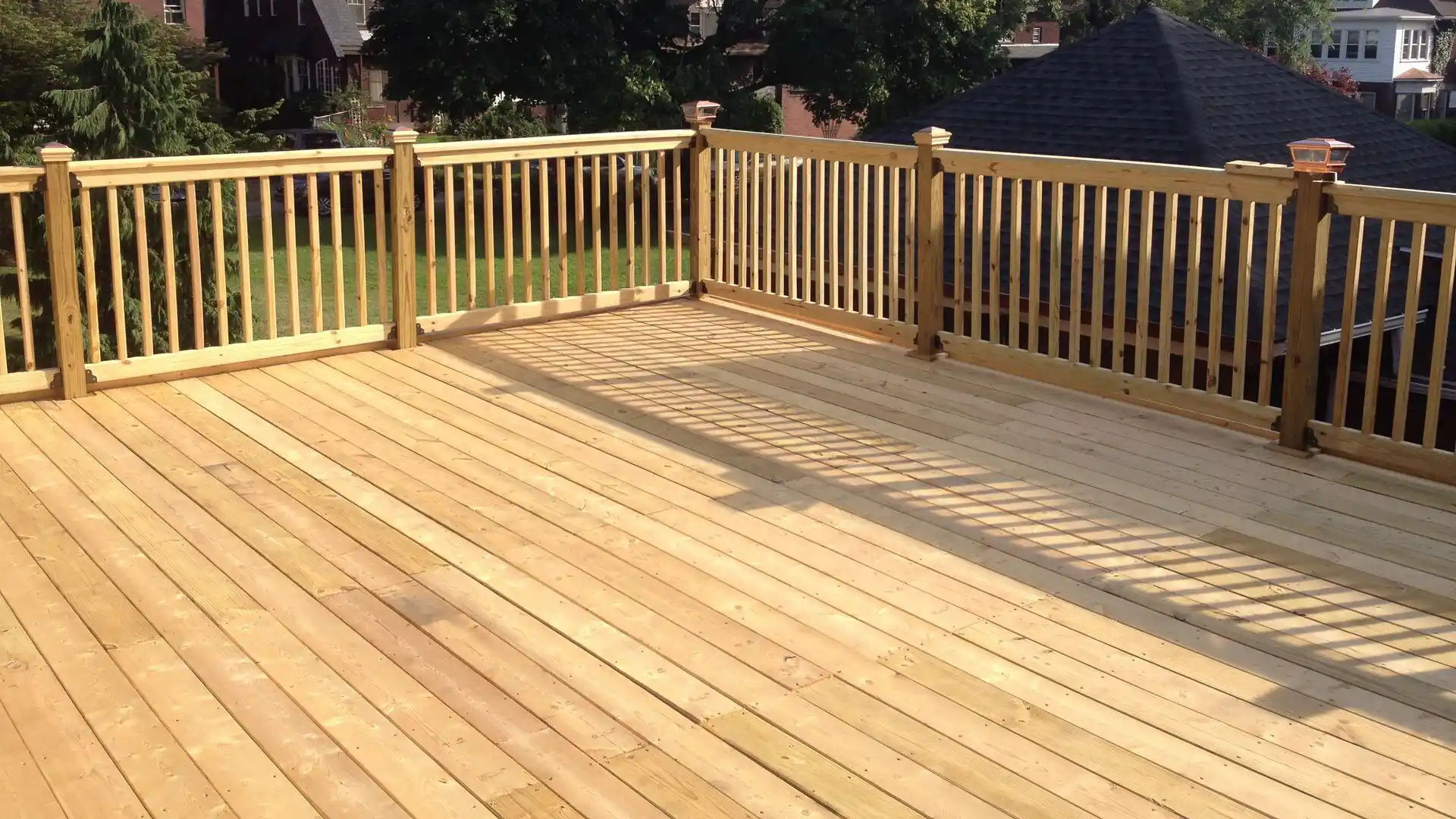
A custom deck can transform your Virginia home by creating more room to relax, entertain, and simply enjoy the great outdoors. While the finished design, decking material, and decorative features often get the most attention, the structure underneath has a major impact on how well your deck performs over time.
From the footings that support the deck to the hardware that connects it to your home, every structural component plays an important role in safety, stability, and durability. Understanding these elements can help you make informed decisions when planning your custom deck.
Proper Footings and Foundations
Every sturdy deck starts with a reliable foundation. Footings transfer the deck's weight to the ground and help prevent excessive settling, shifting, or instability. The appropriate footing design depends on several factors, including soil conditions, deck dimensions, expected loads, and local building requirements. In Virginia, contractors must also account for local frost-depth requirements when determining footing depth.
Proper placement and sizing are especially important for elevated decks given the amount of weight they must be able to bear. Cutting corners during this stage can lead to problems that become expensive to correct later.
Posts, Beams, and Joists
The framing system distributes weight throughout the deck and transfers it to the foundation. Three components work together to provide this support.Posts carry loads from the beams down to the footings. Beams span between posts and support the joists, which run beneath the decking boards. Together, these elements create the framework that keeps the deck level and stable.
The size, spacing, and placement of each component must match the deck's design and expected loads. Larger decks, elevated structures, and designs with wide unsupported spans may require additional engineering or more substantial framing. Using appropriate materials and following approved construction plans helps ensure the deck can withstand regular use and changing weather conditions.
Ledger Boards and Secure Connections
When a deck attaches to a house, the ledger board connects the deck framing to the home's structure. This connection is one of the most important parts of the entire build because an improperly attached ledger can allow the deck to pull away from the house, creating a serious safety hazard. Proper flashing is also essential because it helps direct water away from the connection and protects the home's exterior from moisture intrusion.
Not every home is suitable for a conventional ledger attachment. Depending on the house's construction and exterior materials, a freestanding deck may be a more appropriate option. A qualified contractor can evaluate the home and determine the correct attachment method, fasteners, and other specifics.
Bracing, Railings, and Stairs
Bracing can help resist sideways movement and improve rigidity, particularly on elevated decks with tall support posts. Railings are another essential safety feature when required by applicable building codes, and their height, opening dimensions, and attachment methods must meet local requirements. Strong connections are important because railings need to withstand the forces placed on them during everyday use.
Stairs also require careful planning. Proper rise, run, width, and handrail placement help create a safer, more comfortable transition between the deck and the yard. These details should be incorporated into the original design rather than treated as finishing touches.
Weather-Resistant Materials and Hardware
Virginia's climate exposes decks to humidity, rainfall, summer heat, and seasonal temperature changes. Choosing materials that can withstand these conditions helps protect the structure over time.
Pressure-treated lumber is commonly used for structural framing because it offers protection against decay and insects. Appropriate corrosion-resistant connectors and fasteners are equally important, particularly when used with treated wood.
Good drainage and ventilation beneath the deck also help reduce moisture buildup. Depending on the design, protective flashing, suitable board spacing, and proper water runoff can help limit long-term deterioration.
Build Your Custom Deck on a Strong Foundation
A beautiful deck starts with sound construction. Proper footings, carefully designed framing, secure connections, and weather-resistant materials all contribute to a structure you can enjoy with greater confidence. At Pierpoint Construction, we help Virginia homeowners plan custom decks that balance thoughtful design with dependable construction. Whether you're building a new outdoor living space or replacing an aging deck, our team can help you understand your options and plan a project around your home and needs.
Contact Pierpoint Construction today to discuss your custom deck project and take the first step toward creating a safe, durable outdoor space for your Virginia home.
Trusted by some of the biggest names in the business!